
 So the month of May is nearly done and with it, ends the month-long celebration of the bike and human-powered travel. As a hiker, I often worry about my environmental impact during a drive to a favorite trailhead.
How can I minimize fuel consumption and make better? I reason that if I bike as my primary form of transportation, I will only need to drive during my trips to the woods. This works great if I have a network of safe and continuous bike lanes and trails in the city. Enter Bike Lexington.
I’m proud to say that I contributed a small share to bike community here. I took the artwork designed by Cricket Press (shown by the poster design left) and made the Bike Lexington interactive calendar (shown here), which hopefully encourages people to bike more. Building the site definitely exposed me to vibrant groups and events that helped me stay committed to biking in Lexington.
After this month is over though, biking doesn’t stop. Check out the website for new events throughout the year or join the newsletter subscription to stay updated.


 5th Edition Red River Gorge Backpacking Map

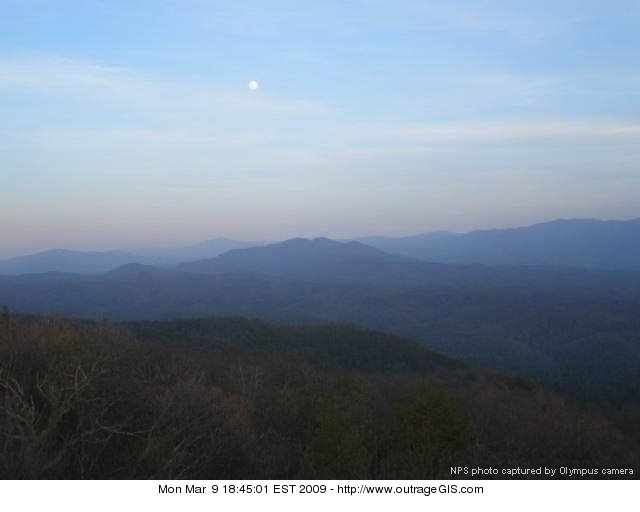
 April 15, 2009. We see two very different Smokies today and the highest peaks in the southern Appalachians provide an atmospheric boundary.

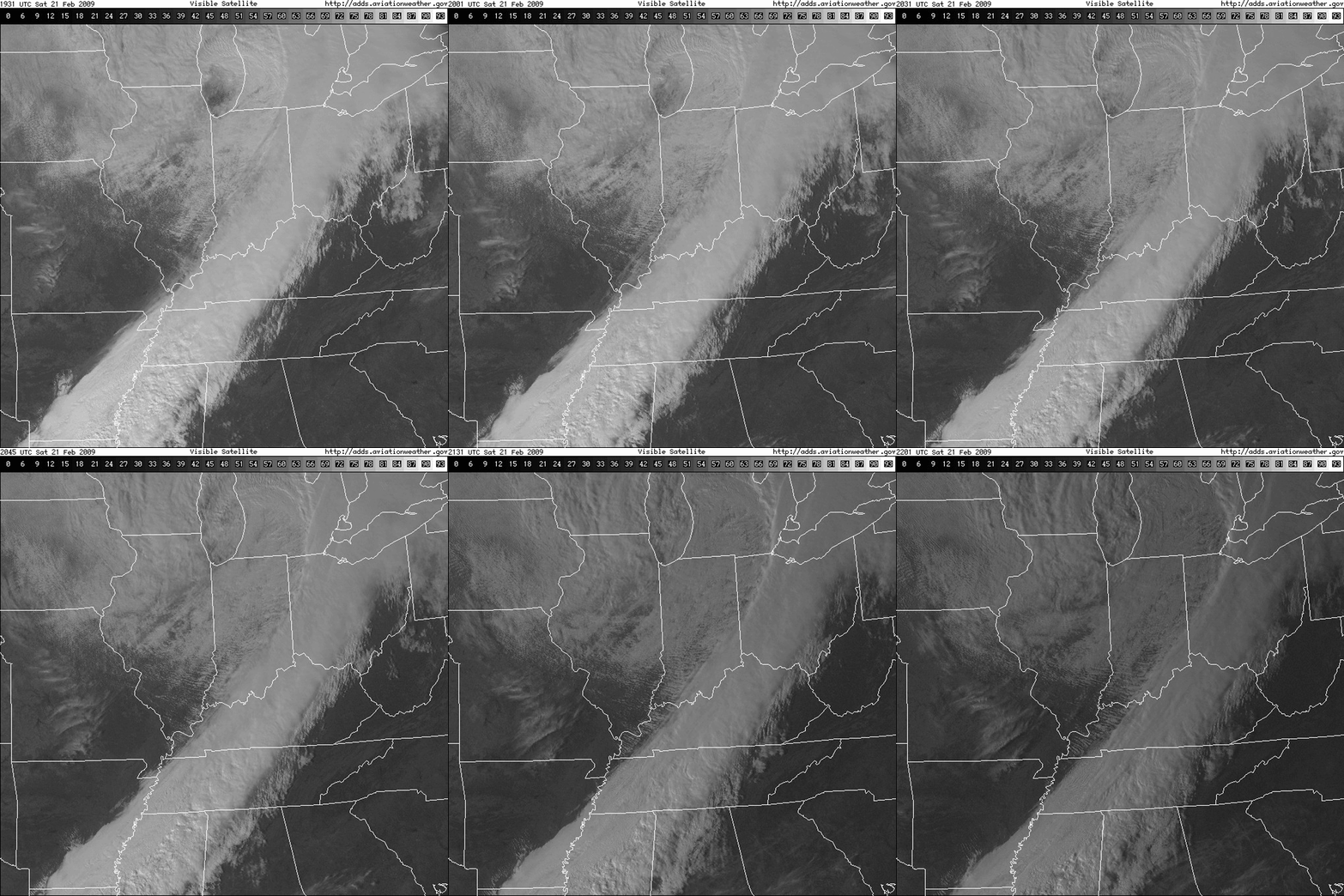
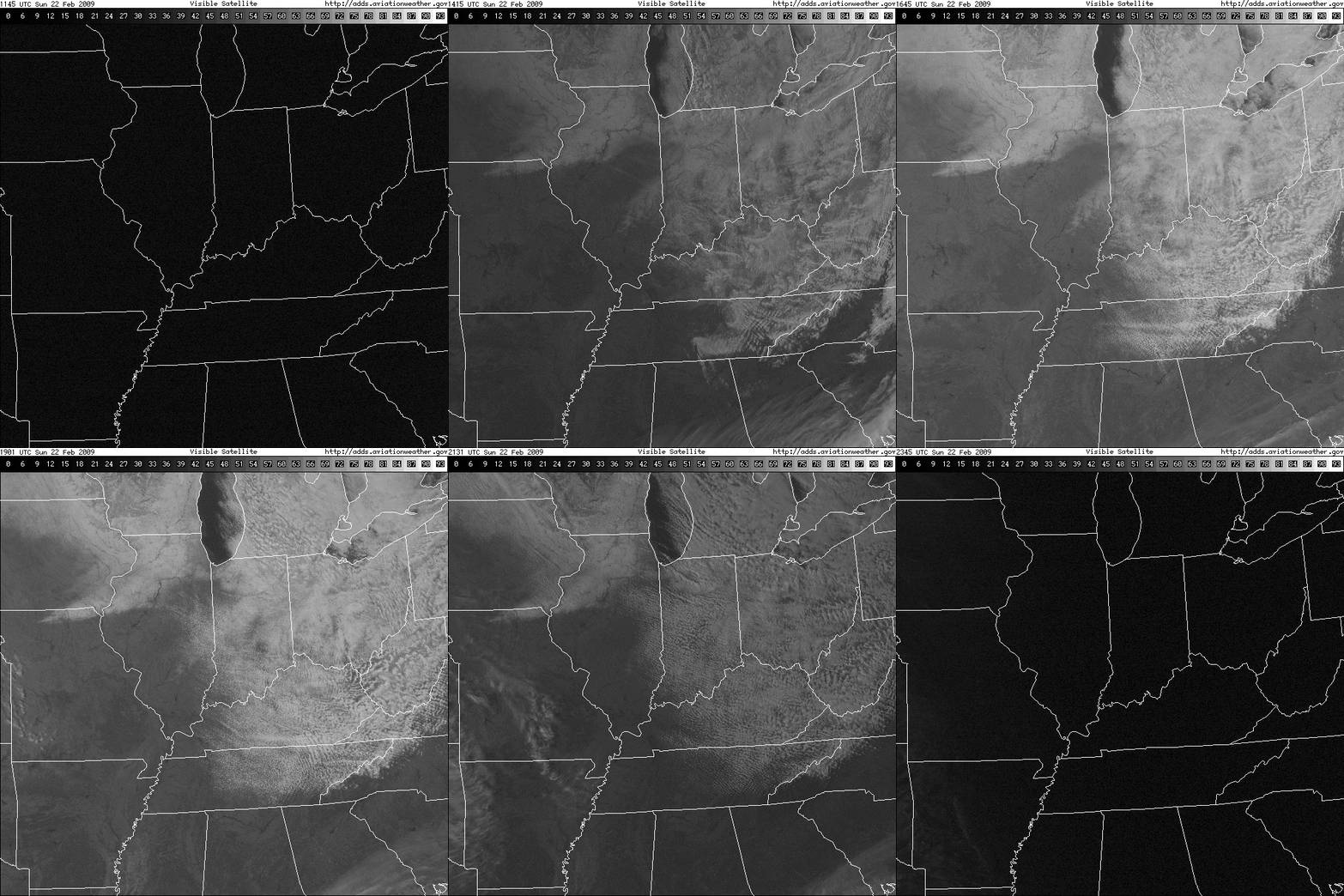
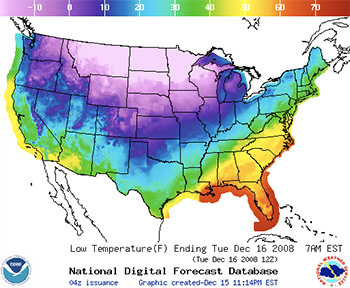 Winter storm warning, Dec 15-16, 2008.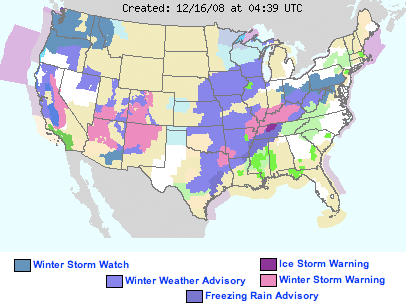
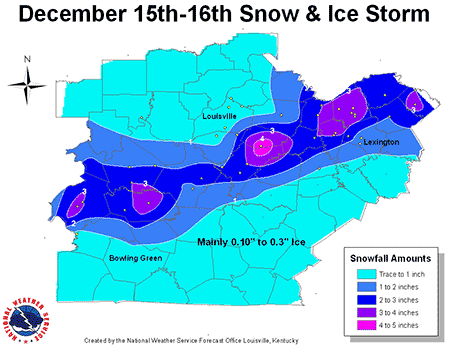
 Wind advisory, Sunday Dec 14, 2008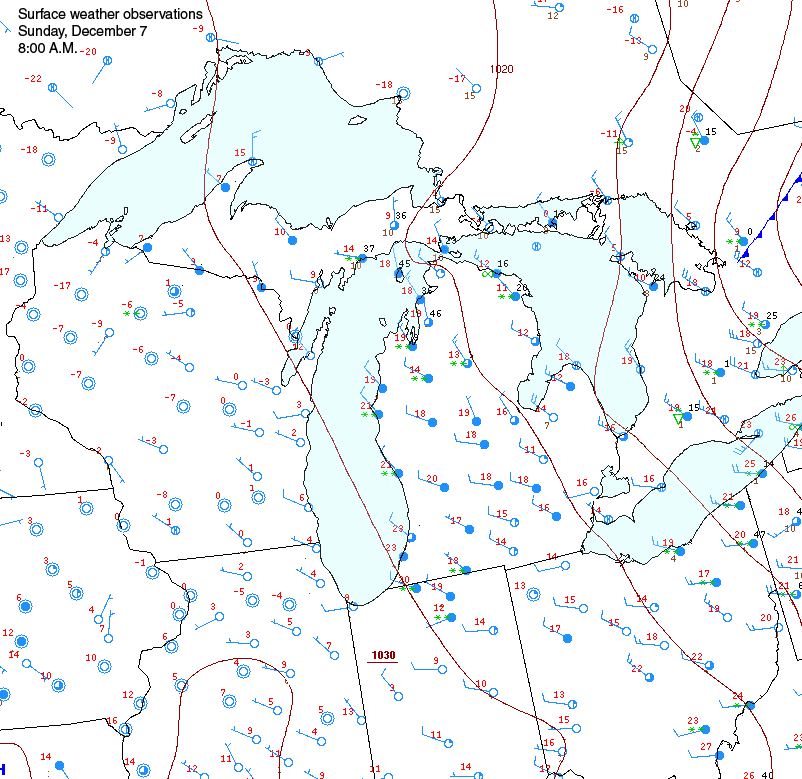
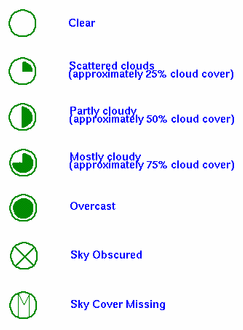
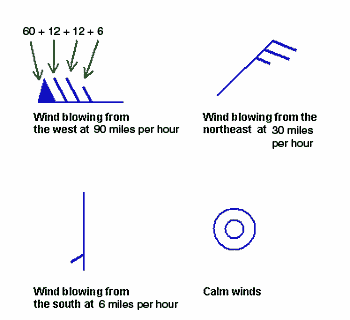
 is reporting that the current temperature is 55 degrees F, the sky is clear, and the winds are blowing from the north at 18 miles per hour.
 is reporting completely overcast conditons, winds from the north at 24 miles per hour and the temperature is 58 degrees F.